24-Hour Recorded Message Lines for Real Estate: What Replaced Them
What a 24-Hour Recorded Message Line Was
If you sold real estate any time between the 1990s and the 2010s, you knew the format by heart. The sign rider read something like "24-Hour Recorded Info: Call 1-800-555-0142, Enter Code 1234." A buyer driving past the house could pull over, dial the toll-free number, punch in the four-digit code for that specific property, and listen to a recording you had taped earlier: three bedrooms, two baths, updated kitchen, asking price, call the agent for a showing.
The pitch to buyers was privacy and convenience. They could get the basics on a listing without talking to a salesperson, at any hour, without feeling like they had handed themselves to an agent. The pitch to agents was lead capture. Services like Arch Telecom and a handful of competitors ran the infrastructure: each call logged the buyer's caller ID, and the agent received a list of phone numbers from people who had been interested enough in a specific house to dial a code. For two decades, that was a genuinely smart system. It worked because it matched how buyers behaved and what phones could do at the time.
Why Agents Relied on Them
The recorded line solved three real problems at once, which is why it stuck around so long. First, it gave a listing round-the-clock coverage. A buyer cruising a neighborhood on a Sunday evening could get information without waiting until Monday morning, and the agent did not have to answer the phone at dinner. Second, it captured leads passively. The caller ID log turned anonymous drive-by traffic into a list of phone numbers the agent could follow up on. Third, it filtered the agent's time. Buyers who only wanted the price got it from the recording, and the agent only spoke with people who called back wanting more.
Notice that none of those three needs has gone away. Agents still want 24/7 coverage, passive lead capture, and a filter on their time. The recorded line was never really about the recording. It was about answering buyers the moment they were interested, capturing who they were, and saving the agent from repeating the same facts forty times a week. Hold onto that, because the modern replacement delivers all three far better, which is exactly why the old format has faded.
Why Recorded Lines Stopped Working
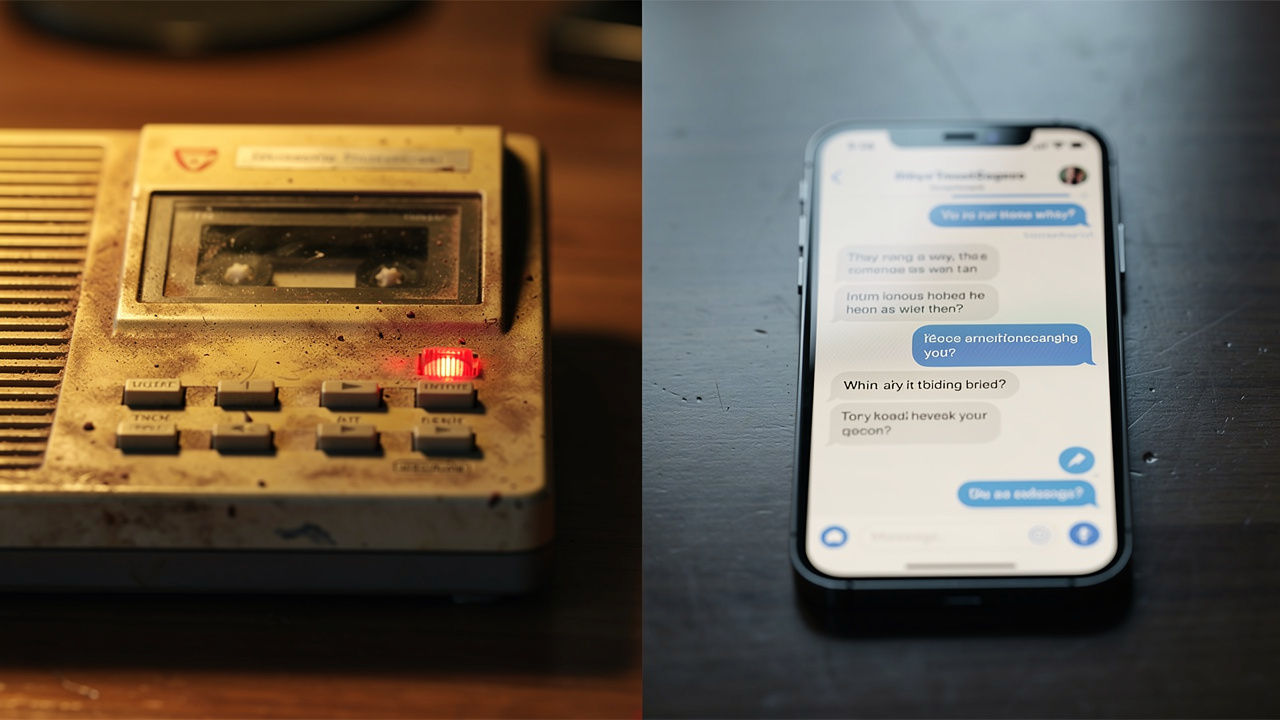
The old system did not fail because the idea was wrong. It failed because buyer behavior and phone technology moved on, and the format could not follow. Three shifts broke it.
- Buyers stopped making phone calls. The single biggest change. Buyers under 45 treat a phone call to an unknown number as friction, sometimes as a small ordeal. Dialing a toll-free line and entering a code is several steps more than they will tolerate when a text or a scan is right there. A format built entirely around placing a call lost its audience.
- A recording cannot answer the real question. The recorded line plays the same fixed script to everyone. But the question that actually decides whether a buyer engages is specific: does it have a fenced yard, what is the HOA fee, is the basement finished, can my pre-approval cover this. A recording cannot hear the question, let alone answer it. The buyer hangs up with the one detail they care about still unknown.
- The lead was thin and the follow-up was cold. A caller ID tells you a number dialed in. It does not tell you what the buyer wanted, how serious they were, or whether they are working with an agent. So the follow-up call starts from zero: "Hi, I see you called about a property." That is a weak opening, and in a market where buyers contact several listings at once, weak and slow loses.
Put those together and the format went from clever to obsolete. It still technically runs 24 hours a day, but it answers the wrong way, captures a thin lead, and asks the buyer to do the one thing they least want to do. The need it served is as real as ever. The mechanism aged out.
What Replaced the Recorded Line
The replacement is not a better recording. It is an assistant that actually answers. Instead of a fixed script, an AI reads the question the buyer asked and responds to that specific question, in plain language, in seconds, at any hour. The buyer texts "is the basement finished?" and gets a real answer, not a two-minute recording that never mentions the basement. That single difference, answering the question instead of reciting a script, is the whole leap.
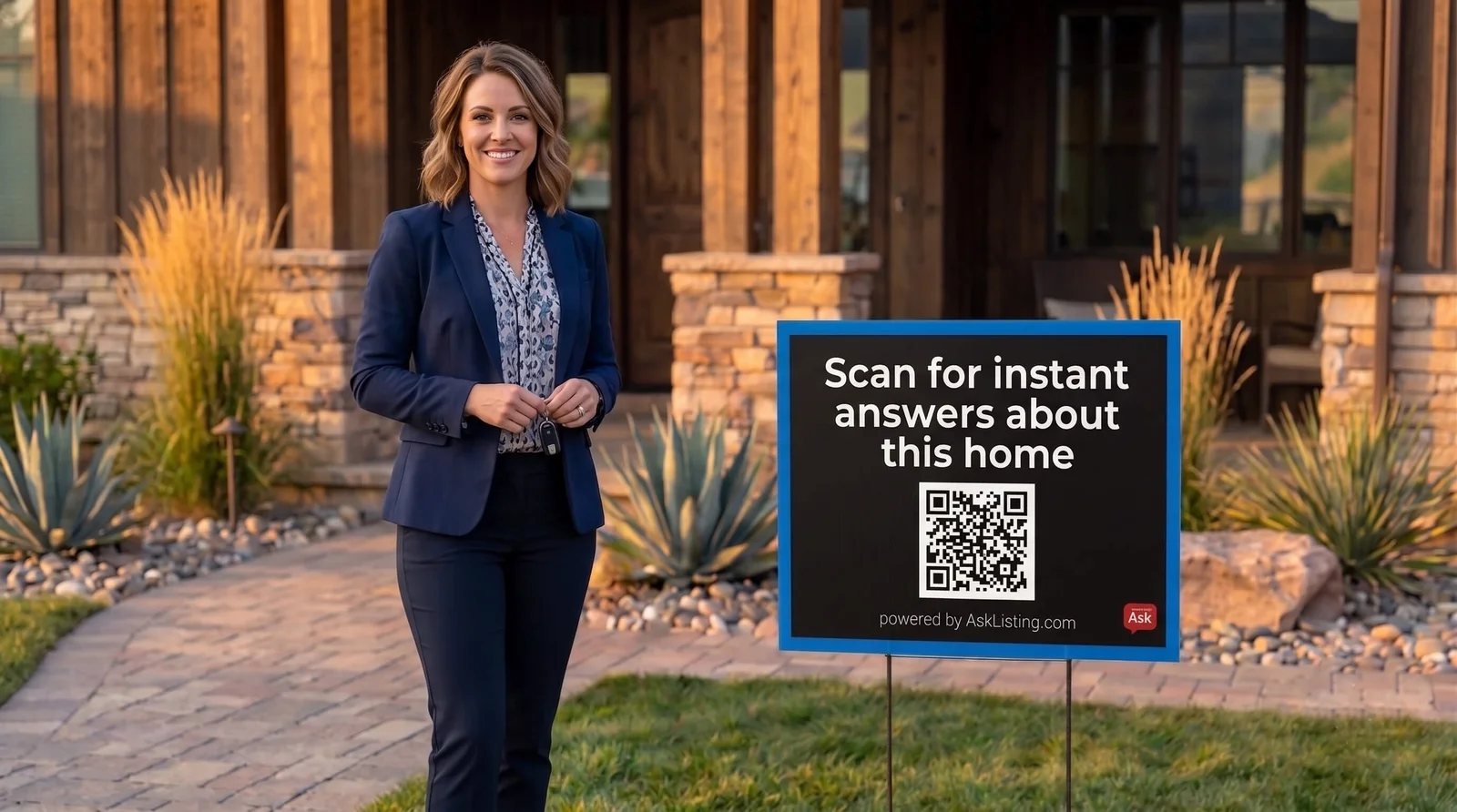
Just as important, the conversation runs on the channels buyers actually use. A buyer scans the QR code on the sign or texts a keyword, and a real estate chatbot picks up instantly. For buyers who still prefer to call, AI voice answers the phone and holds a real conversation rather than playing a tape. The thread is the same brain across text, web, and voice, so the buyer never has to start over. This is the inbound model behind SMS marketing for real estate: the buyer initiates, the AI answers, and the agent gets a lead that is already warm.
And it captures a far richer lead than caller ID ever did. When the buyer starts the conversation by text, you get a consented, TCPA-compliant phone number along with the exact questions they asked and the answers the AI gathered: their timeline, whether they are pre-approved, whether they already have an agent. The AI scores the lead and alerts you when a serious one appears, with the full transcript attached. Your follow-up no longer opens with "I see you called." It opens with "I saw you were asking about the finished basement and your pre-approval, want to see it Saturday?" That is the difference between a cold callback and a warm hand-off. For the full picture of how AI handles a buyer conversation from first message to hand-off, see our real estate chatbot guide.
The 24-hour recorded line had the right goal and the wrong tools. Answer buyers the moment they are interested. Just answer the question they actually asked.
Setting Up a 24/7 AI Line for a Listing
Replacing a recorded line with an AI assistant takes less setup than taping the old recording did, and there is no per-code phone menu to maintain. The sequence is short.
First, give the AI the facts. Upload a property packet (a document, a PDF, or a listing URL) so the assistant answers only from details you approve. It will not guess, invent a number, or negotiate price, and a Fair Housing guardrail blocks steering questions before they reach the model. Second, put the entry points on the sign and the listing. Replace "24-hour recorded info, call 1-800..." with a QR code and a text keyword: "Scan or text ELMWOOD to 555-1234 for instant answers." If you want a callable number too, the same AI can answer by voice. Our QR code sign guide covers the rider sizing and placement.
Third, test it the way a buyer would. Scan the code from your own phone, ask a real question, and confirm you get an accurate answer, that the lead lands in your dashboard with a score, and that you get the alert. Then let it run. The line is open 24 hours a day, exactly like the recorded message was, except now it answers the question, captures a warm lead, and hands you the buyer ready to talk.
AskListing answers buyers by text, web chat, and voice, qualifies them, and books showings 24/7. Setup in minutes.