How to Use Real Estate Signs to Generate Leads (QR Codes + AI)
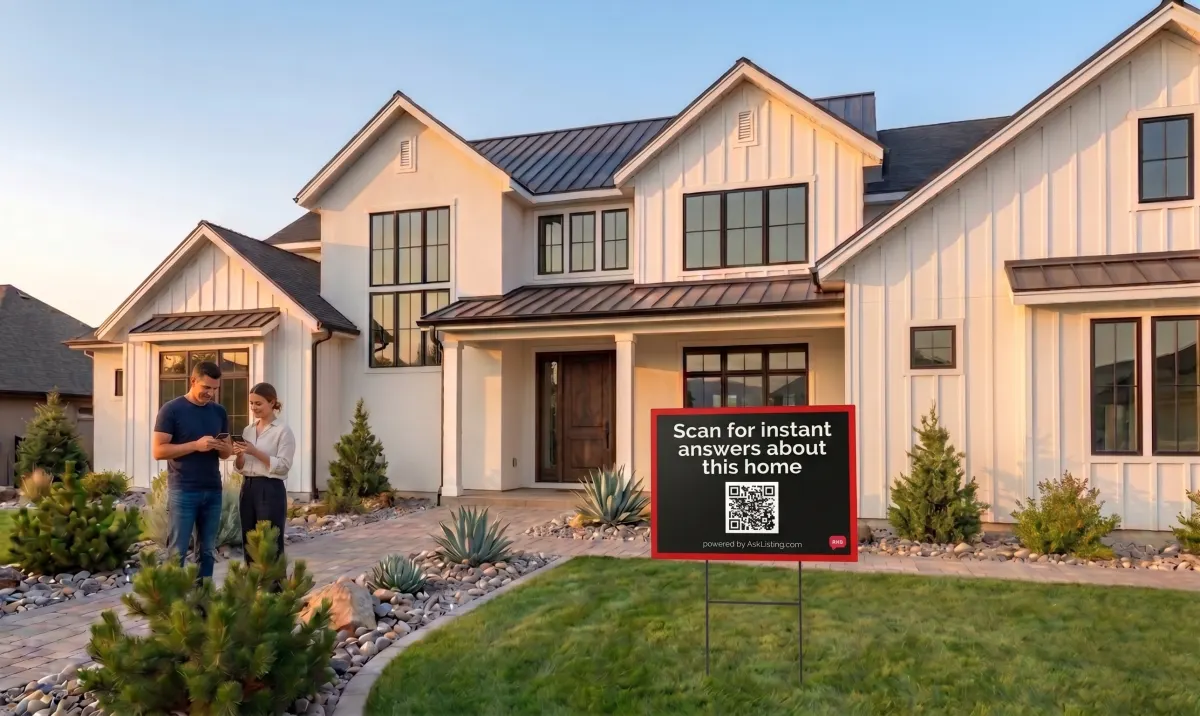
Your Signs Already Have the Hardest Part Solved
Lead generation in real estate is mostly a fight for attention, and attention is expensive. You buy it with online ads, you earn it with content, you chase it with cold calls. Your for-sale sign, meanwhile, gets attention for free, from exactly the right person, at exactly the right moment. A buyer who slows down in front of a listing has already self-selected. They like the neighborhood, the street, the look of the house. No targeting algorithm gets you a warmer prospect than the one standing on the sidewalk looking at the property.
That is the part that is hard to manufacture, and your sign solves it for you on every listing, around the clock. The problem is what happens next. For most agents, the sign earns that attention and then asks the buyer to do something they will not do: memorize a phone number, drive home, and call later. The attention was free and high quality, and it evaporates at the curb. This guide is about closing that gap, turning the attention your signs already earn into leads you actually capture.
Why a Phone Number on a Sign Loses the Lead
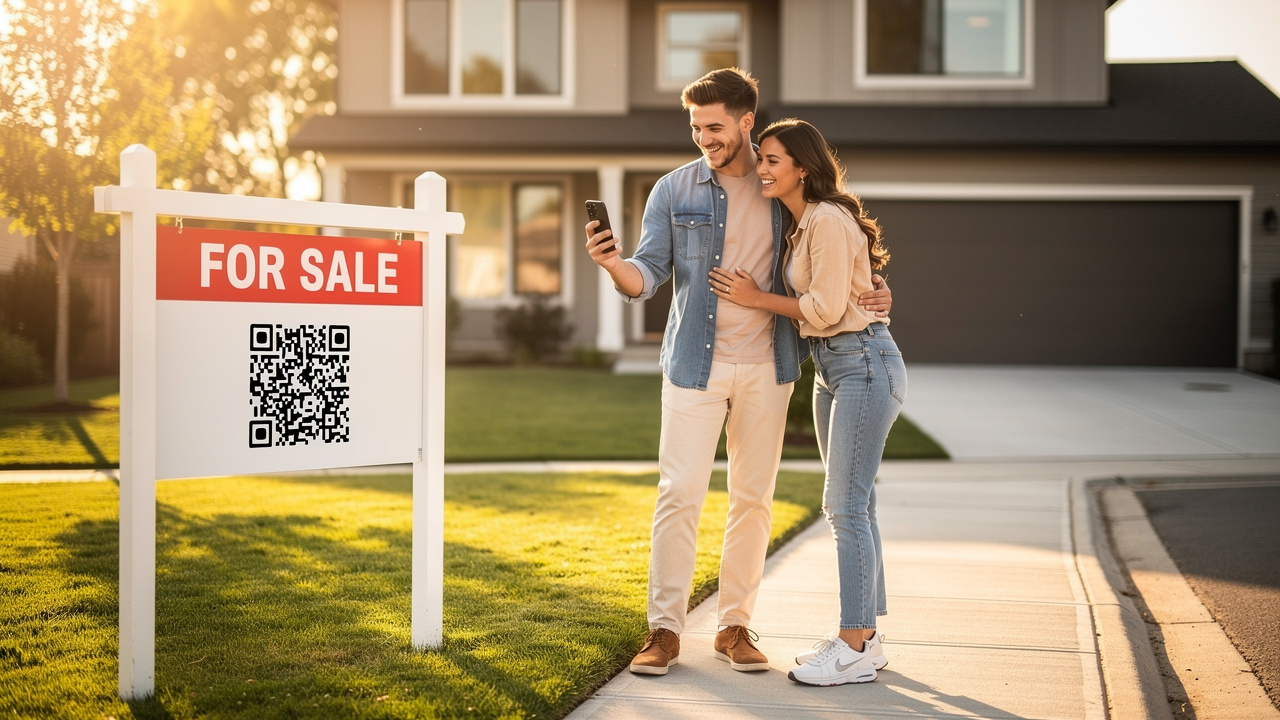
A phone number is a high-friction call to action disguised as a contact method. It asks the buyer to switch from looking at a house to placing a phone call to a stranger, often during business hours, with no idea who will answer or how long it will take. For a large and growing share of buyers, especially those under 45, that is enough friction to stop them entirely. They will not call a number from a sign. They have been trained to avoid unknown calls, and a yard sign is the definition of an unknown number.
Even the buyers who would call rarely do it at the moment of peak interest. They are standing in front of the house, phone in hand, genuinely curious. By the time they are home and have a free minute, three other listings have caught their eye and the urgency is gone. The phone number does not fail because it is the wrong information. It fails because it defers the action to a later moment that mostly never comes. To generate leads from a sign, you have to let the buyer act right now, in the two minutes they are actually paying attention, with the lowest-friction action their phone can perform. That action is a scan or a text.
The Lead-Generating Sign: QR Code Plus Text Keyword
A sign that generates leads gives the buyer two frictionless ways in, because buyers encounter signs in two very different states. Some are on foot or stopped, phone available, ready to scan. Others catch the sign at 30 miles per hour and cannot do anything except remember it. A lead-generating sign serves both with a QR code and a text keyword on the same rider panel.
- The QR code captures the buyer who stops, slows, or walks up. They point their phone camera at the code, no app required on any current phone, and land in a conversation in under two seconds. For the exact sizing, dynamic-code setup, and print specs, see our QR code real estate sign guide.
- The text keyword captures the buyer who saw the sign while driving. "Text ELMWOOD to 555-1234" is something they can remember from the car and act on at the next red light. The keyword opens the same AI conversation the QR code does, so both paths lead to the same place.
- One instruction line, nothing else. The rider should carry the QR code, the keyword, and a five-word prompt like "Scan or text for instant answers." No headshot, no brokerage logo, no website. Every extra element competes for the buyer's attention and lowers the chance they act. For more on rider layout, see our guide to real estate sign rider ideas.
This QR-plus-keyword pairing is the single highest-converting configuration for a residential yard sign, because between the two formats you reach the full spectrum of buyer behavior. Neither alone covers everyone. Together they turn a passive sign into an entry point that works whether the buyer is on foot at noon or driving by at midnight.
What the Scan Should Open: AI, Not a Flyer
Here is where most sign-based lead generation quietly fails. The agent adds a QR code, feels modern, and points it at a PDF flyer or the listing page on their brokerage website. The buyer scans, waits for a slow page to load, pinches to zoom, reads the same specs that were on the sign, and leaves. No question answered, no lead captured. The QR code was the easy part. The destination is what decides whether you get a lead.
The right destination is an AI assistant that answers the buyer's actual question. Instead of a static flyer, the buyer types "is the backyard fenced?" or "what are the HOA fees?" and gets a specific, accurate answer in seconds, grounded in the facts you approved. That single difference, answering the real question instead of showing a fixed page, is what turns a scan into a conversation. And the moment the buyer sends that first message, you have captured a consented, TCPA-compliant phone number, with no form for them to fill out. This is exactly what a real estate chatbot does, and it is the inbound model behind SMS marketing for real estate: the buyer asks, the AI answers, and you get the lead in the same motion.
What it opens is the whole game. Point it at an answer, not a flyer, and the sign starts generating leads on its own.
From Scan to Qualified Lead
Capturing a phone number is only half the value. The other half is knowing whether the person behind it is a serious buyer or someone idly curious about the house next door. With an AI assistant on the other side of the scan, qualification happens automatically, inside the same conversation that answered the buyer's question.
After it answers, the AI asks a few natural follow-ups: are you working with a buyer's agent, have you been pre-approved, what is your timeline. The buyer's replies score the lead. Someone who wants to tour this week, is pre-approved, and has no agent rises to the top. Someone twelve months out and just looking sits lower. When a serious lead clears the bar, you get an alert with the full transcript, so your first reply references what the buyer actually asked instead of opening with "I see you scanned my sign." That specificity is rare enough in real estate that it wins appointments. For how response timing and conversation continuity affect conversion, see our guide on real estate lead follow-up by text.
Upgrade Your Signs This Week: A Checklist
You do not need new signs or a big budget to start generating leads from the ones already in the ground. The whole upgrade is a rider panel and a destination worth scanning.
-
1
Set up an AI assistant for the listingUpload the property facts so the AI answers only from what you approve. This is the destination the QR code and keyword point to, and it is what makes the scan worth doing.
-
2
Generate a dynamic QR code and a text keywordDynamic so you can change where it points without reprinting. Pick a short, listing-specific keyword like the street name. Both route to the same AI conversation.
-
3
Order a rider panel with one instruction lineQR code, keyword, and "Scan or text for instant answers." Nothing else. A custom rider runs $15 to $40 and mounts below your existing sign. No need to replace the sign.
-
4
Test it like a buyer, then watch the leadsScan the code from your own phone, ask a real question, and confirm the answer is right, the lead lands in your dashboard with a score, and you get the alert. Then let the sign work 24/7.
AskListing gives each listing a dynamic QR code and an AI that answers buyers by text, qualifies them, and books showings 24/7.